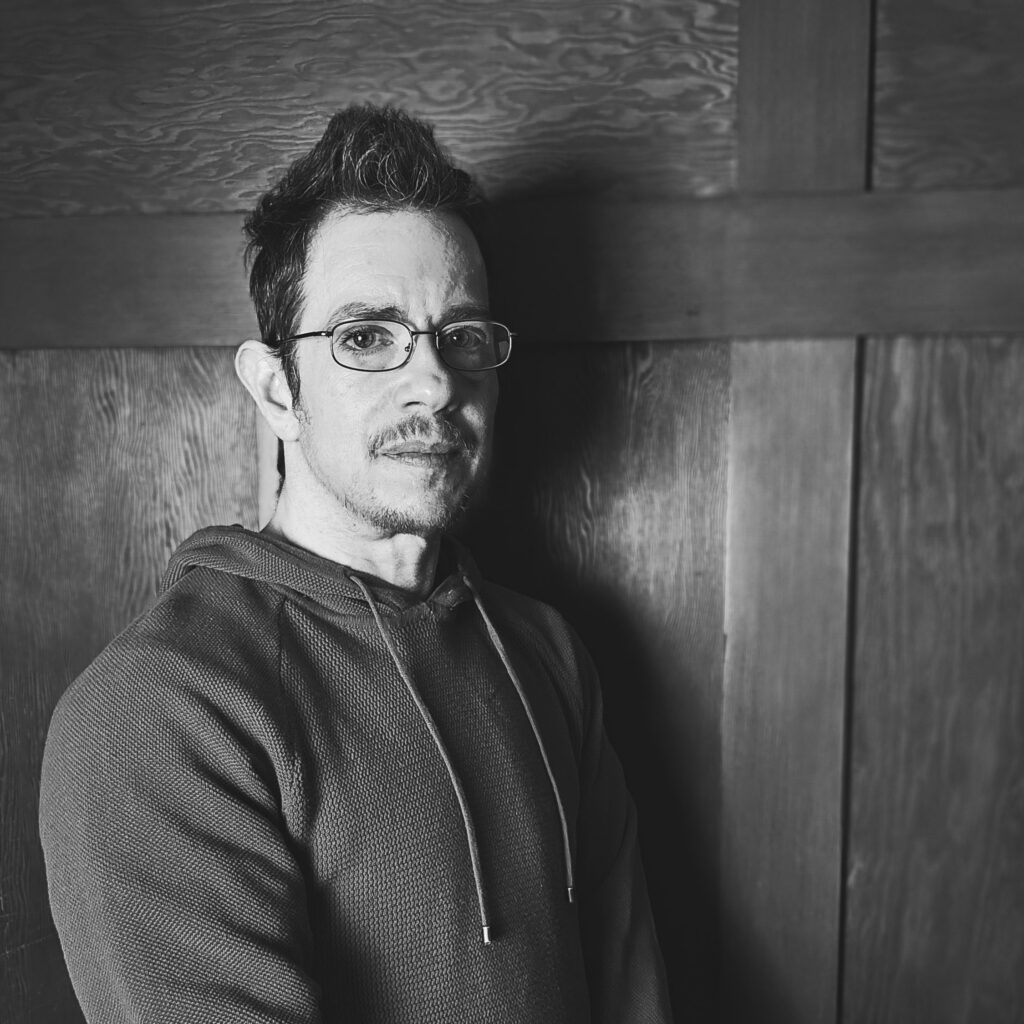
Hi! My name is Jules Sherred (he/him). Thanks for taking some time to read this!
Before I begin, I want to say I’m not goals. Unless you have the same elite athlete genes that I do—confirmed via DNA testing—and the same over 40 years of training, both in strength and cardiovascular, plus a million other genetic variations working behind the scenes, I’m not goals. I share my story to give you my background in fitness and to show you, I have extensive experience being successful with my fitness goals while managing my disabilities.
I have been doing regular exercise since the mid 1980s when I was nine years old. I’m not talking about during gym class. Before school every morning, I would turn on my TV and do the 30-minute aerobics class that was airing. I wish I could remember the name of the show to see if it’s available on YouTube. As the kids say, it slapped! Then I would walk to school and back. And then I would run around outside for hours after school.
As I got older, my activity level increased. Eventually, I was dancing 20 hours a week on top of raising two kids without a vehicle, walking to and from the grocery store for shopping with the kids in tow. When I wasn’t doing that, I would spend an hour at the gym five days a week lifting weights to support dance. Also, I did all the cooking and cleaning and childcare when they weren’t in daycare. I was active literally every waking moment of the day.
Then, almost overnight, a storm of different rheumatoid disorders, one of which is an autoimmune disorder, ended it all. I could barely get out of bed, never mind do anything else. It was awful. Years later, I developed a non-cancerous spinal cord tumour that is slowly causing my right leg to become paralyzed. Over time, I will lose complete function of my leg.
A few years ago, I decided to get back into weightlifting to help keep me safe during the numerous falls I experience when my leg suddenly stops working when the nerve involved with the tumour gets overstimulated. Eventually, I added short periods of cardio. I also created a series of habits to support my fitness and more importantly, my recovery.
Now, at 50 years old, between lifting weights and cardio, I exercise, on average, 15 hours a week when it’s not a deload week, I’m winning drug-tested Classic Physique bodybuilding competitions, and I 13-20k run on the elliptical four days a week plus over 35 kms twice a week through rhythm cycling act as a recovery tool.
That may seem like a lot, but for me, that is nowhere near the 16 hours a day of constant movement and exercise I once managed. For most people, my current volume is way too much. For me and my history, it is very disabled. I am at 19 per cent of my old ability.
I have a lot of habits that allow me to continue with fitness today, habits that focus more on recovery than performance in the gym, habits I am happy to share with you and to help you create your own unique habits to help you achieve your own goals.